




Food in the Arab world is much more than nourishment—it is a reflection of history, identity, and community. From comforting home-cooked meals, to vibrant street food. Every dish tells a story about the people and the culture behind it. For Arabic learners, exploring traditional dishes is a delicious way to connect with the language and understand everyday life. In this blog, we’ll discover the stories behind famous dishes like Mansaf, Koshary, Hummus, and Molokhia, and see how food brings people together across the Arab world.
- Food as a Cultural Identity
- The Role of Hospitality in Arab Cuisine
- Mansaf: A Dish of Tradition and Honor
- Koshary: The Taste of the Streets
- Hummus: A Shared Staple Across the Region
- Molokhia: A Unique and Historic Dish
- Regional Diversity in Arab Cuisine
- Food Vocabulary for Arabic Learners
- Food and Social Life
- Why Learning About Food Enhances Language Learning
1. Food as a Cultural Identity
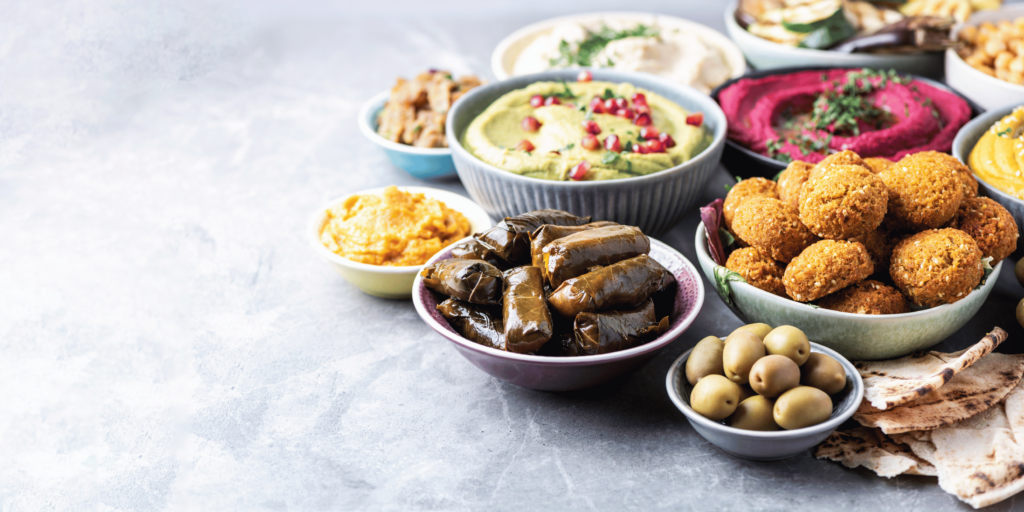
In the Arab world, food is a powerful expression of culture and identity. It reflects history, traditions, and the values that shape everyday life. Accordingly, Meals are not just about eating—they are moments of connection! Where family members gather, stories are shared, and relationships are strengthened. Whether it’s a simple daily meal or a large feast, food plays a central role in hospitality, with generosity and sharing at its heart. For Arabic learners, understanding food culture offers a deeper insight into how language, tradition, and social life are closely connected.
2. The Role of Hospitality in Arab Cuisine
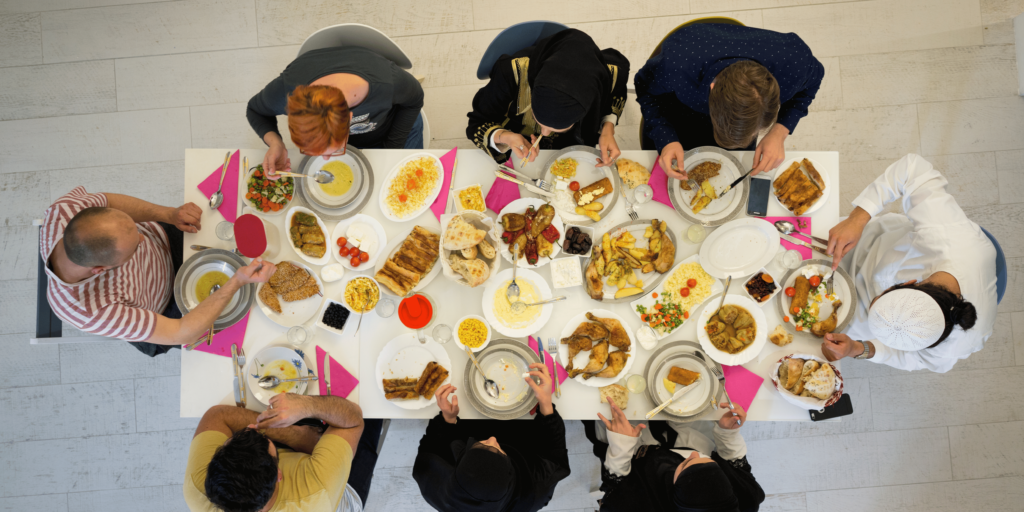
Hospitality is at the heart of Arab cuisine, where serving food is seen as a true expression of generosity and care. Offering guests a meal—often in large portions—is a way of showing respect and making them feel welcome. It is common to share dishes from the same table, creating a sense of unity and connection among everyone. Additionally, Hosts often insist that guests eat more, as abundance reflects kindness and pride in giving. This tradition turns every meal into a social experience, where food becomes a symbol of warmth, welcome, and strong human bonds.
3. Mansaf: A Dish of Tradition and Honor
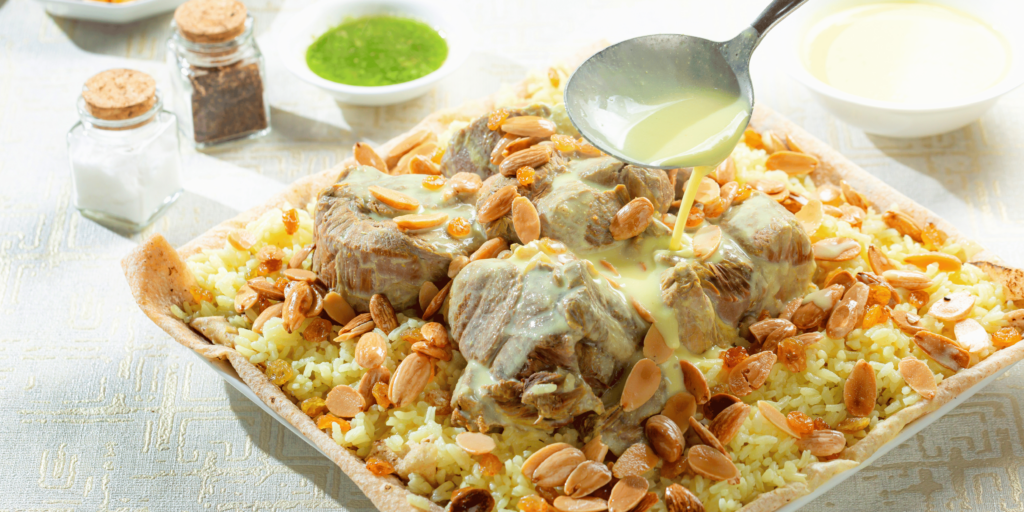
Mansaf is considered one of the most iconic dishes in Jordan. Deeply rooted in the country’s traditions and social values. It is made with tender lamb cooked in a rich sauce of jameed (dried yogurt), and served over rice, often garnished with nuts and herbs. Beyond its ingredients, Mansaf carries strong cultural significance, as it is traditionally prepared for special occasions, such as: weddings, celebrations, and important gatherings. Serving Mansaf to guests reflects generosity, honor, and a deep sense of hospitality, making it much more than just a meal—it is a symbol of unity and cultural pride.
4. Koshary: The Taste of the Streets
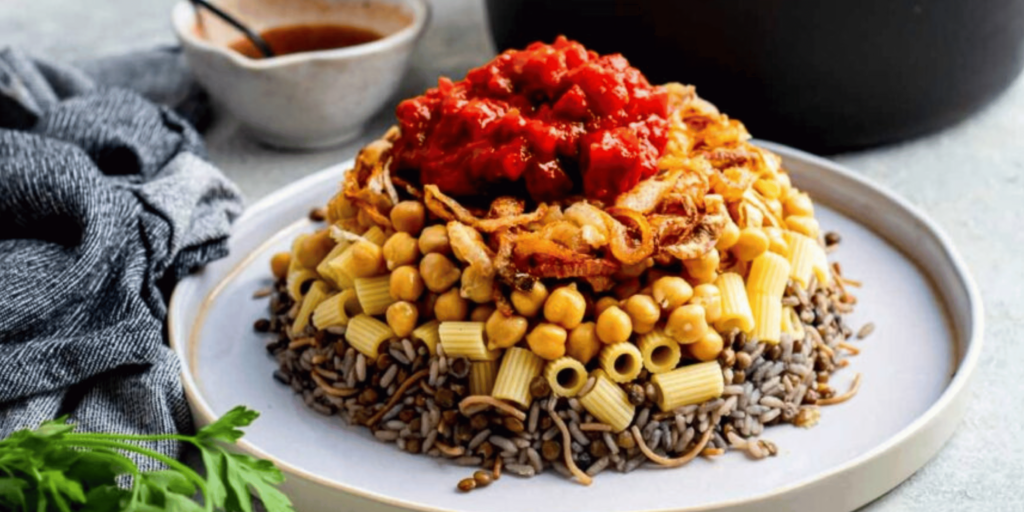
Koshary is one of Egypt’s most beloved street foods. Known for its unique combination of simple yet flavorful ingredients. It is made from a mix of rice, lentils, pasta, and chickpeas, topped with rich tomato sauce, garlic vinegar, and crispy fried onions. Despite its humble ingredients, Koshary is filling, affordable, and widely enjoyed by people from all backgrounds. It represents everyday Egyptian life, where street food plays an essential role in daily routines, offering both convenience and a sense of shared culinary identity across the country.
5. Hummus: A Shared Staple Across the Region
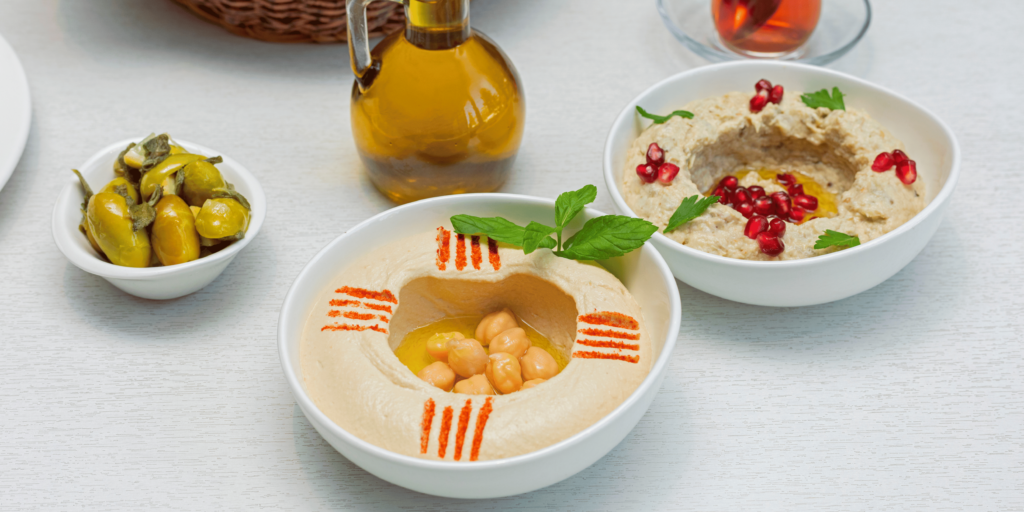
Hummus is one of the most widely recognized dishes across the Arab world. Enjoyed in many countries with slight variations in preparation. It is made from blended chickpeas, tahini, lemon juice, garlic, and olive oil, resulting in a smooth and creamy texture. Generally Hummus is typically served as a dip or a side dish, often accompanied by bread and shared among family and friends. Its simplicity, versatility, and popularity make it a staple in everyday meals, reflecting a shared culinary tradition that connects different Arab cultures through a common and beloved dish.
6. Molokhia: A Unique and Historic Dish
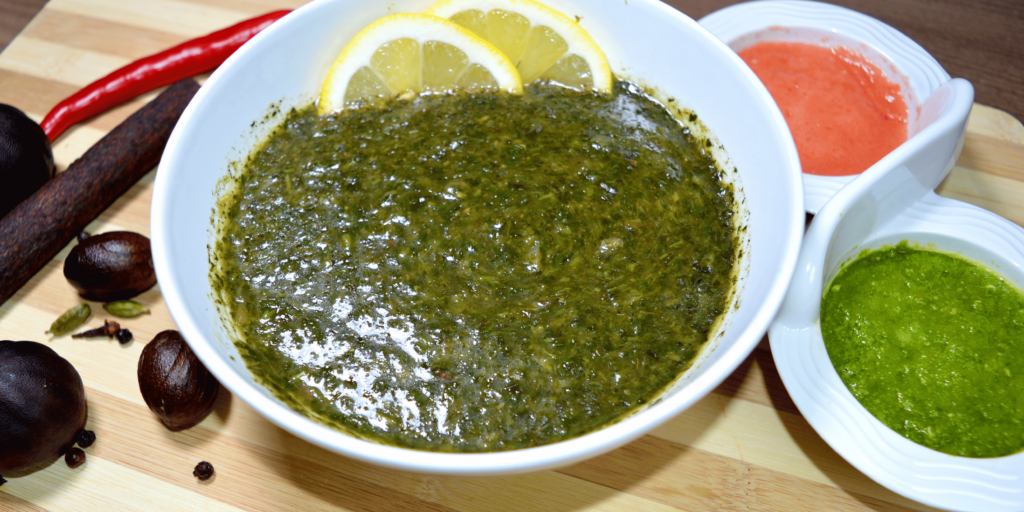
Molokhia is a traditional dish widely enjoyed in Egypt and the Levant. Known for its distinctive taste and cultural significance. It is prepared using finely chopped green molokhia leaves cooked in a flavorful broth with garlic and coriander, and often served with rice and chicken or meat. The dish has a unique, slightly thick texture and a rich aroma that makes it stand out among other Arab dishes. Molokhia is commonly prepared for family meals and gatherings, reflecting comfort, tradition, and the continuity of culinary heritage across generations.
7. Regional Diversity in Arab Cuisine
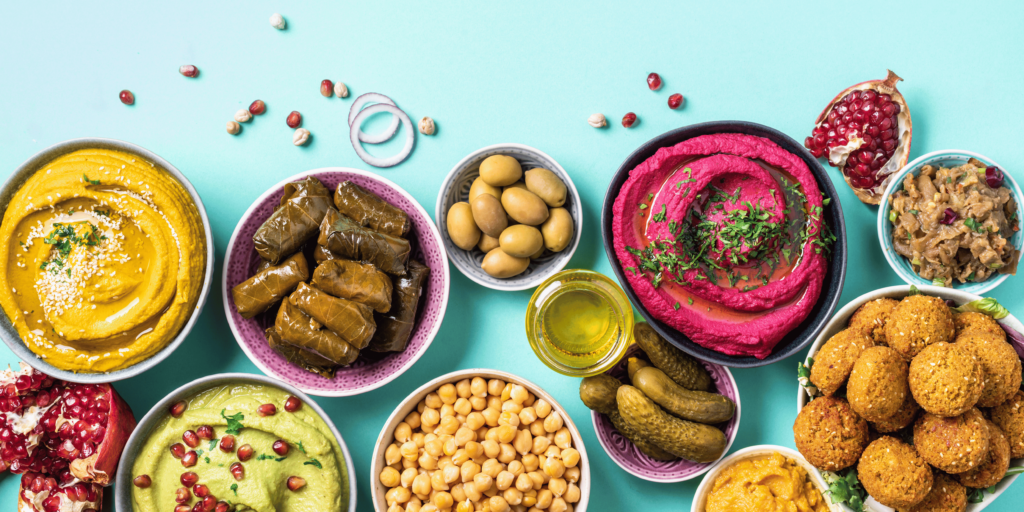
Arab cuisine is rich and diverse. With each country offering its own unique ingredients, flavors, and cooking styles, shaped by geography and history. Coastal regions often rely on seafood, while desert and inland areas traditionally use grains, meat, and dairy products.
Historical influences, trade routes, and cultural exchanges have also played a major role in shaping local dishes and cooking methods.
As a result, even similar dishes can vary significantly from one country to another. Reflecting the identity and traditions of each region while still sharing common culinary roots across the Arab world.
8. Food Vocabulary for Arabic Learners
8. Food Vocabulary for Arabic Learners

Learning food-related vocabulary is an essential step for Arabic learners. As it helps them communicate in everyday situations, such as: ordering food, dining with others, or shopping for ingredients.
For example: learners can use words like طعام (food), أكل (to eat), شراب (drink), رز (rice), and خبز (bread) in daily conversations.
Useful expressions at the table include: ممكن أطلب…؟ (Can I order…?) in both Modern Standard Arabic and Egyptian Arabic, while in Egyptian Arabic you can also say عايز / عايزة… (I want…).
Other common phrases include: بالهنا والشفا (Modern Standard & Egyptian: enjoy your meal) and شكراً على الأكل (Modern Standard Arabic) or تسلم إيدك (Egyptian Arabic – your hands are appreciated for the food).
By practicing these words and phrases, learners can feel more comfortable participating in conversations related to food and dining in Arabic-speaking environments.
9. Food and Social Life
9. Food and Social Life

In Arab culture, food plays a central role in social life! Where eating together is often seen as a daily ritual that strengthens relationships. Meals are not only about satisfying hunger, but also about spending quality time with family and friends, sharing conversations, and building connections. During special occasions such as celebrations and family gatherings, food becomes even more important, with traditional dishes prepared to mark the moment.
In Ramadan, in particular, meals like iftar bring people together at sunset, creating a strong sense of community, generosity, and shared experience that reflects the cultural importance of togetherness.
10. Why Learning About Food Enhances Language Learning
10. Why Learning About Food Enhances Language Learning

Learning about food is a great entry point into understanding both: the Arabic language and the culture behind it. Food-related topics are practical, relatable, and commonly used in everyday conversations, making them easier and more enjoyable for learners to practice. By exploring dishes, ingredients, and dining expressions, learners naturally expand their vocabulary, while also gaining insight into traditions, social habits, and daily life in Arab societies. This combination of language and culture helps make the learning process more engaging, memorable, and meaningful.
In the end, exploring Arab food culture offers more than just an understanding of meals, it opens a window into the values, traditions, and social habits that shape everyday life. Food brings people together, strengthens relationships, and reflects the importance of generosity and hospitality in Arab societies.
For Arabic learners, this topic provides a practical and engaging way to connect language with real-life contexts, making the learning journey more meaningful, memorable, and culturally rich.


