




After the month of Ramadan, a time of fasting, worship, and spiritual reflection, comes Eid al-Fitr, a joyous celebration marking the successful completion of this sacred month. Eid al-Fitr, meaning “the Festival of Breaking the Fast,” is one of the most important Islamic holidays. It is a time for gratitude, generosity, and togetherness, where Muslims come together to celebrate their faith, share happiness, and strengthen their bonds with family and friends.
Eid al-Fitr lasts for three days. It begins on the first day of Shawwal, the month following Ramadan in the Islamic calendar. Unlike Ramadan, when fasting is obligatory, fasting on Eid is prohibited, emphasizing the importance of celebration and gratitude. The festival is filled with prayers, charity, feasting, and joyous gatherings.
Here is what Muslims do during Eid al-Fitr:
1. Sighting the Moon & Declaring Eid

Eid al-Fitr begins with the sighting of the new moon, which marks the end of Ramadan. This moment is awaited eagerly, as it officially signals the beginning of the celebrations. Since the Islamic calendar is lunar, the exact date of Eid may vary from country to country depending on the moon sighting.
2. Giving Zakat al-Fitr (Charity before Eid Prayer)
Before performing the Eid prayer, Muslims are required to give Zakat al-Fitr, a special charitable donation. This mandatory act of giving ensures that the less fortunate can also partake in the joy of Eid. It is usually given in the form of food or money and must be distributed before the prayer, so that those in need can celebrate along with everyone else.
3. Performing the Eid Prayer

A special communal Eid prayer (Salat al-Eid) takes place in mosques, large prayer grounds, or open fields early in the morning. The prayer consists of two rak‘ahs (units of prayer) with additional Takbirs (saying “Allahu Akbar”). After the prayer, the Imam delivers a sermon (Khutbah), reminding worshippers of gratitude, unity, and faith.
4. Greeting & Celebrating with "Eid Mubarak"
Muslims exchange warm greetings such as “Eid Mubarak” (Blessed Eid) and “Eid Sa‘id” (Happy Eid) to express joy and goodwill. They visit family members, friends, and neighbors, strengthening social bonds and sharing the happiness of the occasion. It is a time of spreading positivity and love.
5. Wearing New or Best Clothes
As part of the tradition, Muslims wear new clothes or their best outfits to mark the festive occasion. Dressing well on Eid is a way to show gratitude for the blessings received and to celebrate the end of a spiritually fulfilling month. Many people choose traditional attire that reflects their cultural heritage.
6. Enjoying Special Meals & Sweets
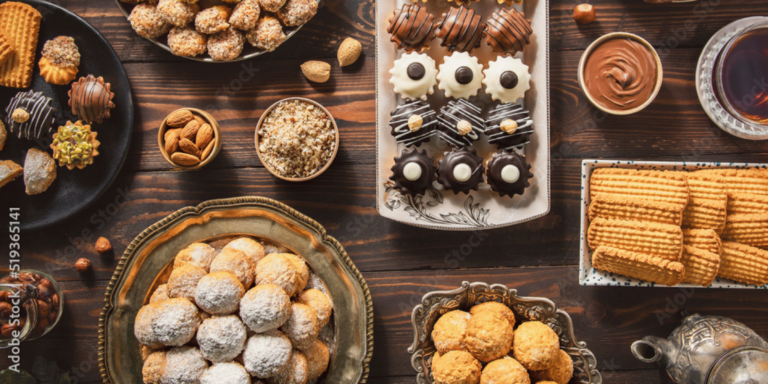
After a month of fasting, Eid is a time to indulge in delicious food and sweets. Families prepare festive meals, and special treats like kahk (cookies), biscuits, and other desserts are enjoyed. Sharing food with loved ones and neighbors is an important part of the celebrations.
7. Visiting Family & Friends
Eid is a time for strengthening relationships, and visiting family and friends is an essential tradition. People gather to celebrate together, exchange gifts, and share laughter. Children especially enjoy this aspect of Eid, as they often receive “Eidiya”—money gifts from elders as a token of love and blessing.
8. Acts of Kindness & Charity
Besides Zakat al-Fitr, many Muslims engage in extra acts of kindness and charity on Eid. They donate to the needy, visit the sick, and help those who are struggling. These acts of generosity emphasize the spirit of Eid as a time of compassion, gratitude, and giving.
9. Entertainment & Festivities
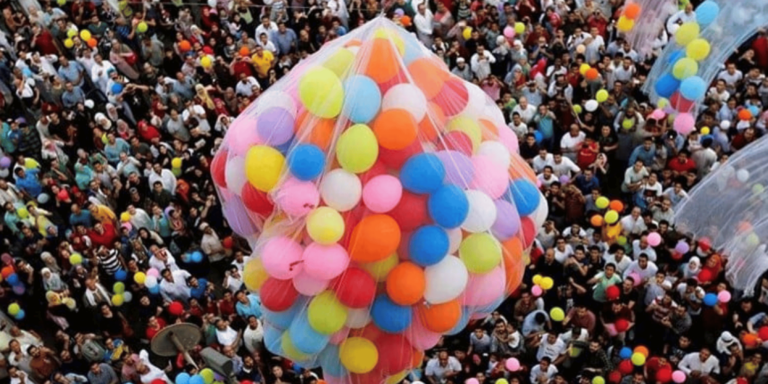
In many cultures, Eid is marked by festive activities such as fireworks, fairs, cultural performances, and outings. Families take children to amusement parks, beaches, or other recreational places to celebrate. The day is filled with joy, laughter, and entertainment for people of all ages.
10. Reflecting on Gratitude & Worship
10. Reflecting on Gratitude & Worship
While Eid is a time of celebration, it is also an occasion for spiritual reflection. Muslims express gratitude to Allah for the strength to complete Ramadan and seek continued guidance. Some continue with extra prayers, Quran recitation, and acts of worship, reinforcing the spiritual connection they developed during the holy month.
Eid al-Fitr is a joyous and meaningful celebration that brings communities together in faith, generosity, and happiness.


